Researchers say that a smartphone application developed to address the psychological causes of premature ejaculation can help men improve their sexual performance and delay ejaculation. The digital approach may also help reduce the social stigma often associated with the condition.
Findings from the CLIMACS study were presented on 14 March 2026 at the European Association of Urology Annual Congress (EAU26) in London. This research is the first to examine a home-based digital treatment approach for premature ejaculation.
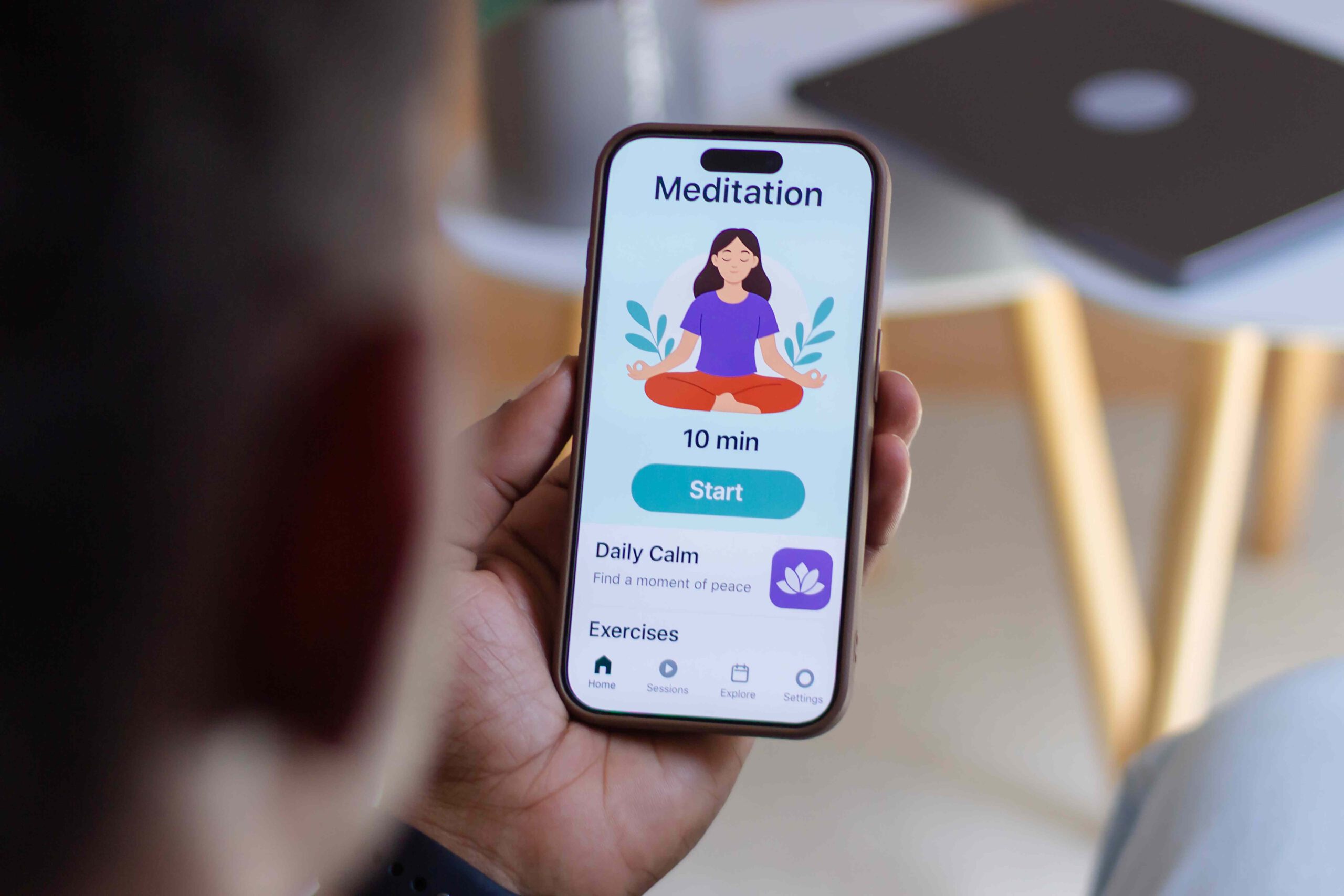
The application provides users with a variety of therapeutic techniques, practical exercises, and expert guidance developed by urologists and psychologists. It also delivers scientifically supported information to help men better understand the condition.
The guided program focuses on helping men control arousal levels and improve ejaculation timing. It includes practices such as mindfulness training, awareness of sexual arousal, cognitive behavioural therapy (CBT), and physical techniques like the start-stop method, which are commonly used to improve ejaculatory control.
Premature ejaculation is a common but often distressing sexual health issue. Men experiencing this condition generally ejaculate sooner than they would prefer during intercourse, typically within about 60 seconds after penetration. The condition is believed to affect up to 30% of men, yet only a small proportion—around 9%—seek medical treatment, largely due to embarrassment or stigma.
The causes of premature ejaculation are often multifactorial, including relationship concerns and psychological factors such as stress, anxiety, and depression. These factors can create performance anxiety and relationship difficulties. Current treatments, such as medications or topical creams, mainly address symptoms rather than the root causes.
In the CLIMACS study conducted in Germany, researchers investigated whether the Melonga App® could help men delay ejaculation through digital guidance. A total of 80 participants without major underlying health conditions joined a 12-week program. Participants completed questionnaires about their physical and psychological experiences during sexual activity and used a stopwatch to measure the time between penetration and ejaculation.
After the 12-week period, men using the app showed a significant improvement. The average time before ejaculation increased from 61 seconds to 125 seconds, effectively doubling. In contrast, participants in the control group experienced almost no change, with an increase of only 0.5 seconds.
Men who used the application also reported greater confidence, better control during sexual activity, reduced anxiety related to ejaculation, and improved relationship satisfaction. Measures of sexual quality of life—including enjoyment and self-confidence—also improved significantly.
Furthermore, 22% of participants using the app reported that they no longer experienced premature ejaculation after the program.
The study’s lead researcher, Dr. Christer Groeben from Marburg University and Heidelberg University, explained that many men avoid seeking medical help due to embarrassment. A digital self-help tool allows them to address the problem privately at home while learning effective techniques to improve their sexual wellbeing.
He also noted that many available pharmacy treatments only manage symptoms and are often discontinued over time. A digital therapy platform can provide long-term behavioural solutions and reduce the psychological burden associated with the condition.
According to Dr. Giorgio Russo, Associate Professor of Urology at the University of Catania, the app brings together reliable medical advice developed by experts. The study results suggest that digital therapy could successfully treat nearly one-quarter of patients without medication, highlighting its potential as a new treatment approach.
The final peer-reviewed results of the CLIMACS study are expected to be published later this year. Currently, the application is available in Ireland, Germany, Austria, Luxembourg, Liechtenstein, and Belgium.