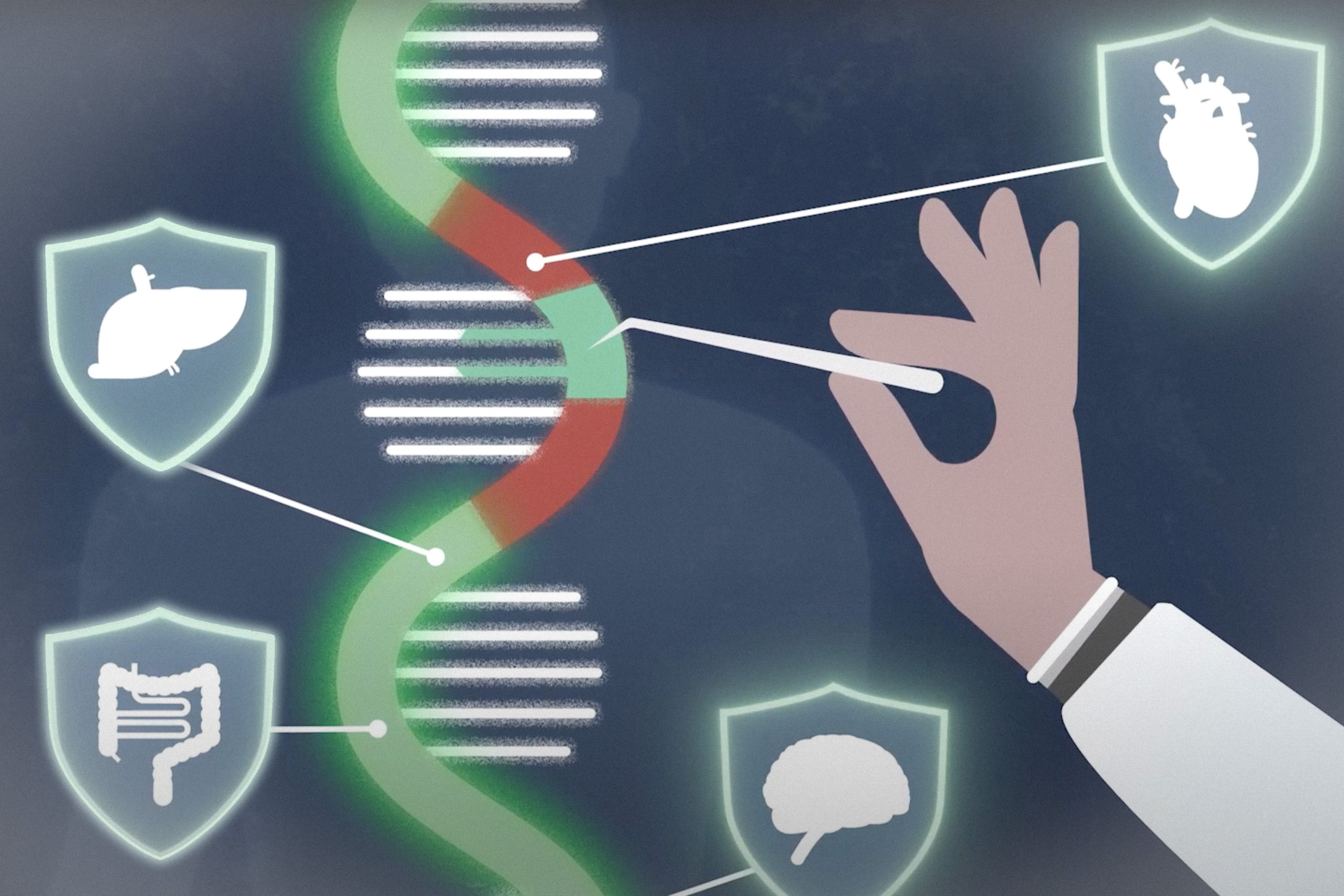
RNA-based treatments are increasingly recognized as a powerful pillar of modern medicine, demonstrating strong potential in areas such as cancer therapy, metabolic disorders, and vaccine development. A recent paper published in Engineering, titled “The Future of AI-Driven RNA Drug Development” by Yilin Yan, Tianyu Wu, Honglin Li, Yang Tang, and Feng Qian, examines how artificial intelligence (AI) could fundamentally reshape the RNA drug discovery landscape by overcoming current technical and methodological barriers.
The authors emphasize that RNA therapeutics have already shown markedly higher clinical success rates compared to conventional small-molecule drugs. For example, Alnylam Pharmaceuticals reports that RNA interference (RNAi) therapies achieve a cumulative transition rate of 64.4% from phase 1 to phase 3 clinical trials, far exceeding the 5–7% success rate typical of traditional drug development. Moreover, RNA drug discovery is significantly faster and more cost-effective, often taking months rather than years. Despite these advantages, existing laboratory techniques such as CRISPR and computational tools like RNA sequencing struggle to deliver the speed, scalability, and diversity required for next-generation RNA drug design.
Artificial intelligence is presented as a transformative solution to these challenges. By harnessing large-scale datasets, parallel computing, and advanced pattern recognition, AI can uncover complex biological relationships that conventional methods cannot efficiently capture. The article categorizes AI-driven RNA drug development into three key approaches: data-driven, learning-strategy-driven, and deep-learning-driven methodologies.
Data-driven models rely on extensive RNA datasets to identify structural and functional patterns. Learning-strategy-based methods apply techniques such as causal modeling and reinforcement learning to improve decision-making and optimization. At the most advanced level, deep learning approaches—particularly large language models—enable the analysis of long RNA sequences and support the de novo creation of functional RNA molecules.
Looking ahead, the authors propose an interactive, software-centered development pipeline featuring continuous feedback loops. This system would integrate real-world experimental data with AI-based design tools, enabling iterative improvement of RNA candidates. From digital data collection and personalized design to automated synthesis and biological validation, AI-driven workflows promise faster, more precise, and more economical RNA drug development.
Ultimately, the integration of AI into RNA therapeutics could usher in a new era of personalized, scalable, and sustainable drug discovery with profound clinical and societal benefits.