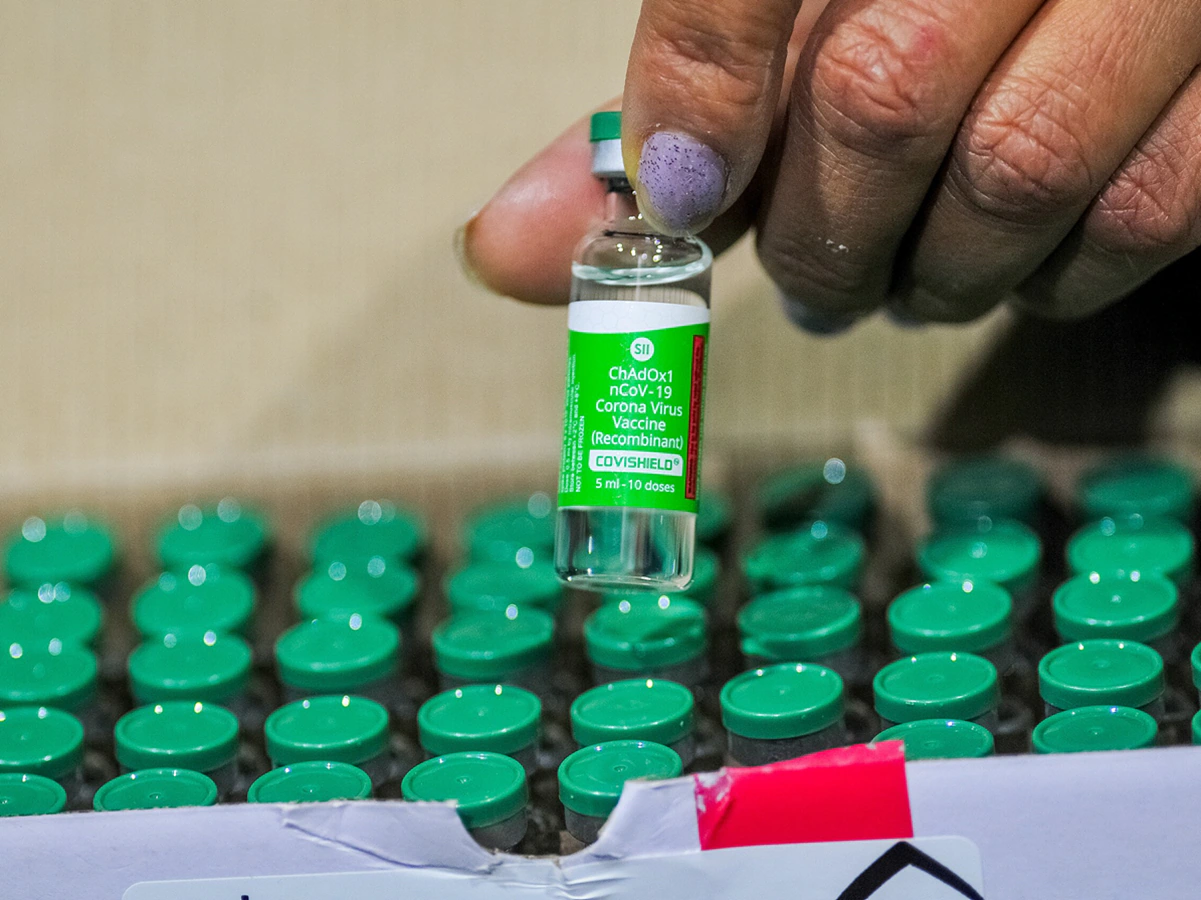
In light of the debates around the side effects of the Covid-19 vaccine, the Indian government has published a structured advice paper with the goal of enhancing the pharmaceutical industry’s reporting protocols for adverse events associated with human vaccinations. This paper was issued last week with the goal of giving importers and producers of vaccines detailed guidance to improve their pharmacovigilance, monitoring, and reporting procedures, as well as to ensure patient safety and regulatory compliance.
The updated recommendations place a strong emphasis on the necessity for importers and manufacturers to set up reliable protocols and systems for receiving, managing, assessing, and disclosing adverse events that accompany vaccination (AEFI). Adverse event reporting systems dependability and integrity are crucially maintained by this systematic method. According to the guidelines, the licensing authority must be notified of any instance involving significant unanticipated adverse responses within fifteen days of the applicant receiving the information for the first time. This timetable emphasizes how critical it is to notify the appropriate authorities of such occurrences as soon as possible.
The document stipulates that pharmacovigilance systems must be implemented by all licensees. The system in question is vital for gathering, handling, and transmitting reports concerning adverse drug reactions resulting from the usage of medications produced or distributed by the licensee. These kinds of systems play a vital role in making sure that unfavorable situations are quickly recognized, assessed, and reported, protecting public health.
The standards delineate distinct protocols for importers to monitor and record grievances and AEFI. It is important for importers to evaluate these grievances in order to ascertain if they represent a negative incident. Furthermore, importers need to designate the key persons who are in charge of sending the marketing authorization holder (MAH) AEFI reports. This guarantees that unfavorable incidents are reported in a timely manner, enabling accelerated reporting. Reports of serious adverse events must be sent to the Central Drugs Standard Control Organization (CDSCO) within fifteen days of the information being received.
In accordance with the recommendations, importers are also required to verify with the MAH that AEFI reports have been evaluated and forwarded to the Drugs Controller General of India (DCGI). All adverse occurrences are made sure to be carefully assessed and recorded through this follow-up procedure. Additionally, importers must keep thorough records of every AEFI they receive and provide to the MAH. Maintaining accurate records is essential for monitoring the number and seriousness of adverse events as well as making sure that all pertinent data is available for regulatory assessment.
One of the most important parts of the new standards is that importers and manufacturers must analyze all adverse event reports they receive in-depth. Finding patterns or trends in adverse incidents is essential for informing future safety precautions and regulatory actions. Manufacturers and importers can gain a better understanding of the safety profile of their products and take appropriate action to reduce any hazards that are found by critically analyzing the data.
The government’s proactive effort to enhancing vaccination safety and resolving public concerns regarding vaccine-related adverse effects is reflected in the structured advice paper. The issues surrounding the Covid-19 vaccine’s side effects have brought attention to how crucial it is to have a strong system in place for tracking and reporting adverse events. By requiring that all adverse events be recorded and dealt with promptly and effectively, the new standards seek to improve the pharmaceutical industry’s accountability and openness.
This guideline document’s introduction also complies with global pharmacovigilance best standards. The rules serve to guarantee that India’s vaccine safety monitoring system complies with international standards by outlining precise protocols and deadlines for reporting adverse events. This is especially crucial because India is still a major supplier of vaccines to the rest of the world, and public faith in immunization programs depends on maintaining high standards of safety and efficacy.
The recommendations place a strong emphasis on enhancing adverse event reporting as well as having staff members who are informed about pharmacovigilance protocols. To guarantee that adverse events are appropriately detected, evaluated, and reported, it is essential to identify and train the key persons in charge of managing AEFI reports. The government’s plan to improve vaccination safety includes a major emphasis on the development of pharmaceutical sector capacity.
The necessity of cooperation between different vaccination supply chain stakeholders is also included by the new rules. The guidelines encourage a more coordinated approach to pharmacovigilance by mandating that importers and manufacturers engage with the MAH and regulatory bodies. This cooperative approach contributes to the overall efficacy of the vaccine safety monitoring system by facilitating the timely sharing and action on any pertinent information regarding adverse occurrences.
The rules also stress how crucial it is to keep thorough records of all unfavorable incidents. Maintaining these records is necessary for carrying out in-depth analysis and spotting possible warning signs. Manufacturers and importers can help create a stronger body of evidence to evaluate the safety of vaccinations by keeping accurate and thorough records. Making educated regulatory choices and putting in place the necessary safety precautions depend heavily on this data-driven methodology.All things considered, the structured guidance paper is a major improvement for India’s pharmacovigilance system. The publication seeks to improve vaccination safety and efficacy, safeguarding public health in the process by offering precise and comprehensive instructions for reporting adverse events. The government is committed to ensuring that all vaccinations used in the nation satisfy the highest standards of safety and quality, as evidenced by its proactive approach to enhancing vaccine safety.
These recommendations’ adoption is especially appropriate in light of the ongoing Covid-19 vaccine deployment and the necessity to address public concerns regarding vaccination safety. The goal of government initiatives to improve adverse event reporting processes and systems is to increase public confidence in immunization programs. Achieving high immunization rates and halting the spread of infectious illnesses depend on this.
SOURCE:
THE ECONOMIC TIMES