Edible Cacti: Nutritional Properties and Potential Metabolic Benefits
Edible cacti, particularly Opuntia ficus-indica (nopal pads and prickly pear fruit), have long been a staple in dry and water-scarce regions, especially in Mexico. These plants are gaining renewed attention as sustainable and functional foods due to their rich nutrient composition and potential metabolic benefits. Increasing global prevalence of metabolic disorders has prompted research into their effects on glycemic regulation, lipid metabolism, and gut microbiota modulation.
Types of Edible Cacti
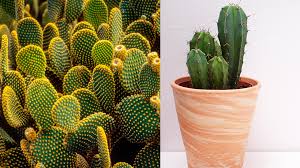
Edible cacti belong to the family Cactaceae. Commonly consumed parts include young pads (cladodes or nopales), fruits (prickly pears), seeds, and flowers. Other edible genera, such as Hylocereus (dragon fruit), are also consumed. Nutritionally, cactus pads and fruits are rich in soluble fiber and mucilage, which aid digestion and glycemic control, as well as minerals including calcium, potassium, magnesium, and vitamins C and E. Many cactus fruits are also high in betalains (betacyanins and betaxanthins), flavonoids, and polyphenols, conferring antioxidant properties.
Glycemic Regulation
Soluble fiber and polysaccharides in cactus pads form viscous gels in the gastrointestinal tract, slowing gastric emptying and reducing the rate of carbohydrate digestion and absorption. Acute studies in healthy individuals and patients with type 2 diabetes demonstrate that nopal consumption with carbohydrate-rich meals attenuates postprandial glucose excursions, often without increased insulin secretion. Short-term interventions (8–12 weeks) with cactus powders or fiber supplements show modest improvements in fasting or postprandial glucose, but evidence for long-term effects on insulin resistance or HbA1c remains limited. Prickly pear fruit and juice show less consistent glycemic effects, indicating that cactus pads are generally more reliable for glucose management.
Effects on Lipids
Cactus pads may support lipid regulation through soluble fiber, phytosterols, and antioxidants. Pectin and mucilage bind bile acids, enhancing fecal excretion and reducing cholesterol absorption. This induces the liver to utilize circulating cholesterol for bile acid synthesis, lowering LDL and total cholesterol. β-sitosterol further competes with dietary cholesterol for intestinal absorption. Short-term studies indicate modest reductions in total cholesterol, LDL, and triglycerides, while antioxidant compounds may mitigate oxidative stress and inflammation, contributing indirectly to lipid control.
Gut Microbiota
Cactus polysaccharides exhibit prebiotic activity. In vitro fermentation studies show that mucilage and pectin fractions enhance growth of beneficial genera like Bifidobacterium and Lactobacillus, while suppressing selected pathogens. Animal studies suggest cladode supplementation can increase microbial diversity and short-chain fatty acid (SCFA) production, which are associated with improved glucose and lipid metabolism. Human evidence is limited, and causal links between microbiota modulation and metabolic outcomes have yet to be established.
Bioactive Compounds
Edible cacti are rich in betalains and phenolic flavonoids with antioxidant and anti-inflammatory activity. Experimental studies indicate that isorhamnetin glycosides reduce lipid peroxidation and oxidative stress while enhancing endogenous antioxidant enzymes such as superoxide dismutase. Cactus-derived flavonoids may also modulate inflammatory signaling pathways including NF-κB, PI3K/AKT, and MAPK, reducing TNF-α and IL-6 production. These findings are mainly from in vitro and animal models; their translation to long-term human health outcomes remains uncertain.
Practical Considerations and Safety
Cactus products are available as fresh vegetables, powders, juices, and supplements. Traditional preparation includes spine removal, cooking, and sometimes fermentation, which can affect fiber viscosity and bioactive compound bioavailability. Edible cacti are generally safe, with mild gastrointestinal side effects reported at high intakes. Individuals on glucose-lowering medications should monitor for additive effects.
Research Gaps
Most human studies are short-term, small, and methodologically heterogeneous. Future research should focus on standardized preparations, longer follow-up, and clinically meaningful endpoints such as HbA1c, sustained lipid changes, and cardiovascular outcomes. Well-controlled trials are also needed to clarify the role of gut microbiota in mediating metabolic effects.