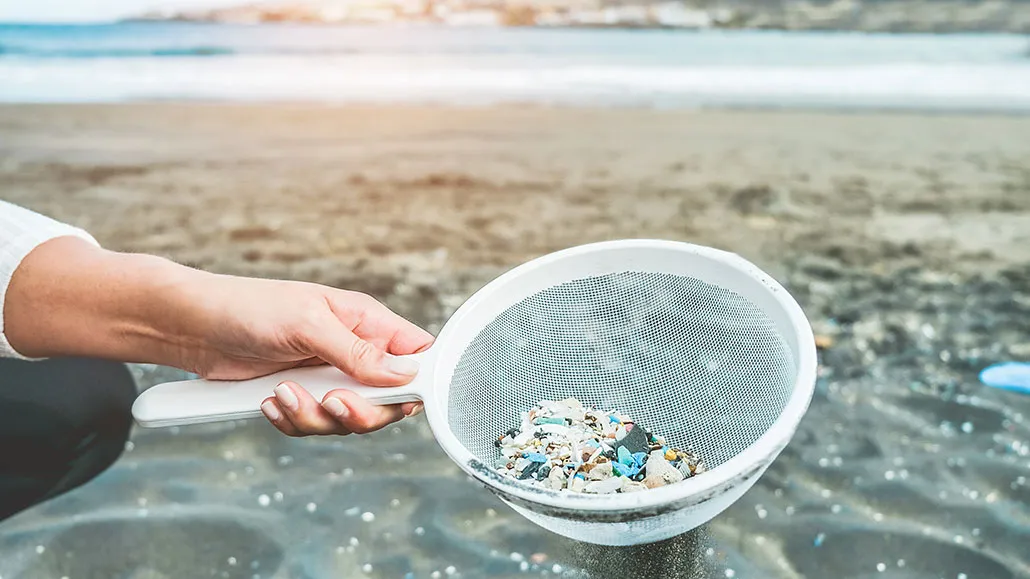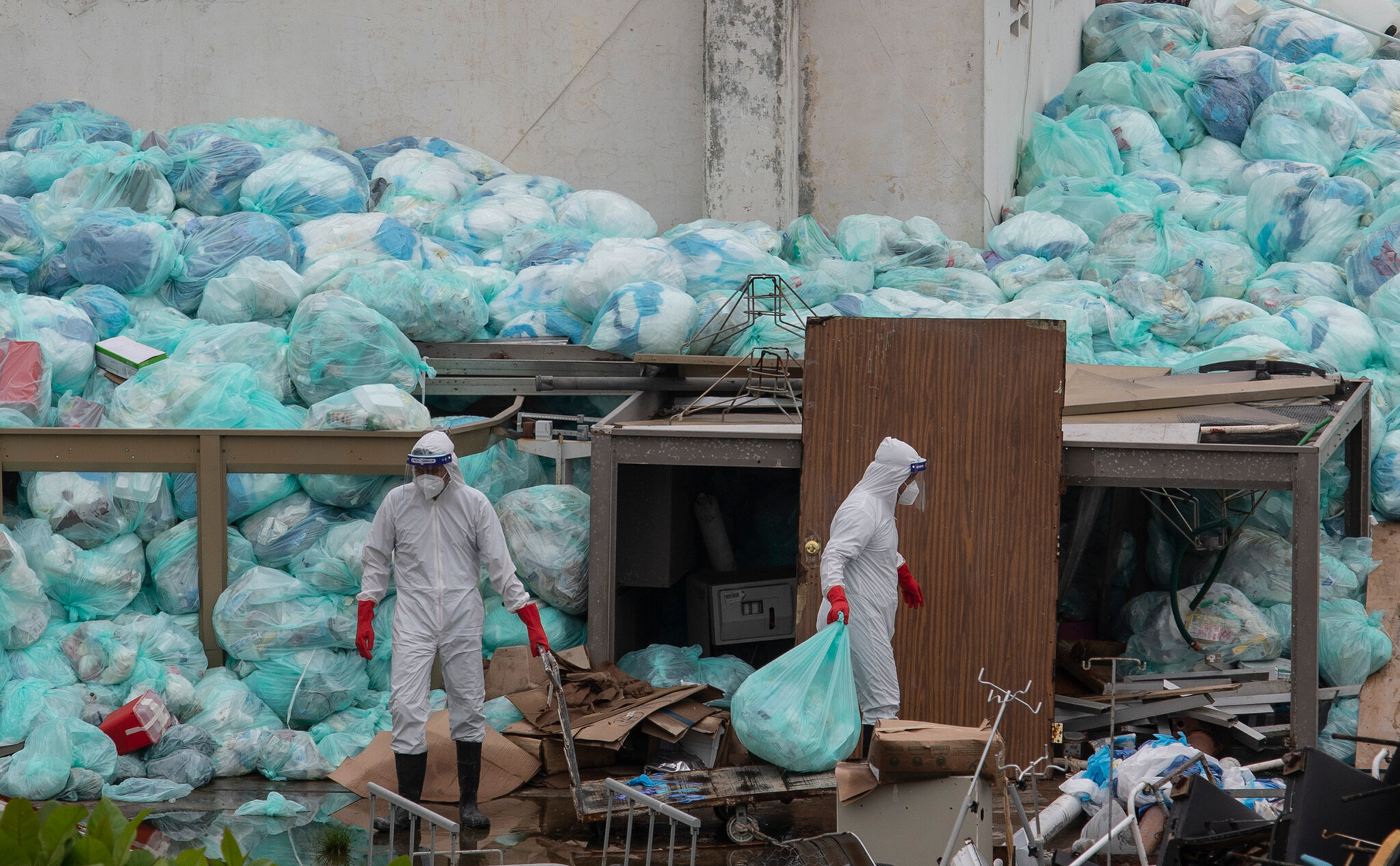
Plastic pollution represents more than a visual or environmental nuisance. A recent perspective article published in Biocontaminant suggests that viruses inhabiting plastic debris may contribute to the overlooked spread of antibiotic resistance, presenting emerging risks to ecosystems and human health.
Once plastic waste enters natural environments, it rapidly becomes colonized by dense microbial biofilms collectively known as the plastisphere. These plastic-associated microbial communities are already recognized as reservoirs for antibiotic resistance genes. The new analysis draws attention to viruses—Earth’s most abundant biological entities—as potentially critical agents in transferring these resistance traits among microorganisms.
“Research on plastispheres has traditionally centered on bacteria, yet viruses are equally prevalent and deeply involved in microbial interactions,” explained corresponding author Dong Zhu from the Chinese Academy of Sciences. The authors propose that plastisphere-associated viruses may function as unseen facilitators of antibiotic resistance spread.
Viruses can move genetic material between bacteria through horizontal gene transfer. Within plastisphere biofilms, where microorganisms exist in close proximity, this process may be particularly efficient. As a result, resistance genes could be exchanged across bacterial species, including those capable of causing disease. Additionally, some viruses carry auxiliary metabolic genes that enhance bacterial resilience under environmental stressors such as pollutants or antibiotic exposure, indirectly supporting the persistence of resistant strains.
The study also highlights that viral roles differ depending on environmental conditions. In aquatic environments, plastisphere viruses may favor genetic exchange, potentially amplifying resistance transmission. In contrast, soil-based plastisphere viruses may reduce resistant populations by destroying their bacterial hosts. These environment-specific behaviors underscore the complexity of plastic-associated microbial ecosystems.
The authors stress that understanding antibiotic resistance linked to plastic pollution requires incorporating viral ecology into broader assessments. They advocate for future research aimed at directly tracking gene transfer between viruses and bacteria on plastic surfaces and improving detection of virus-borne resistance genes. Such efforts could guide environmental monitoring and inform plastic waste management strategies to mitigate long-term antibiotic resistance threats.