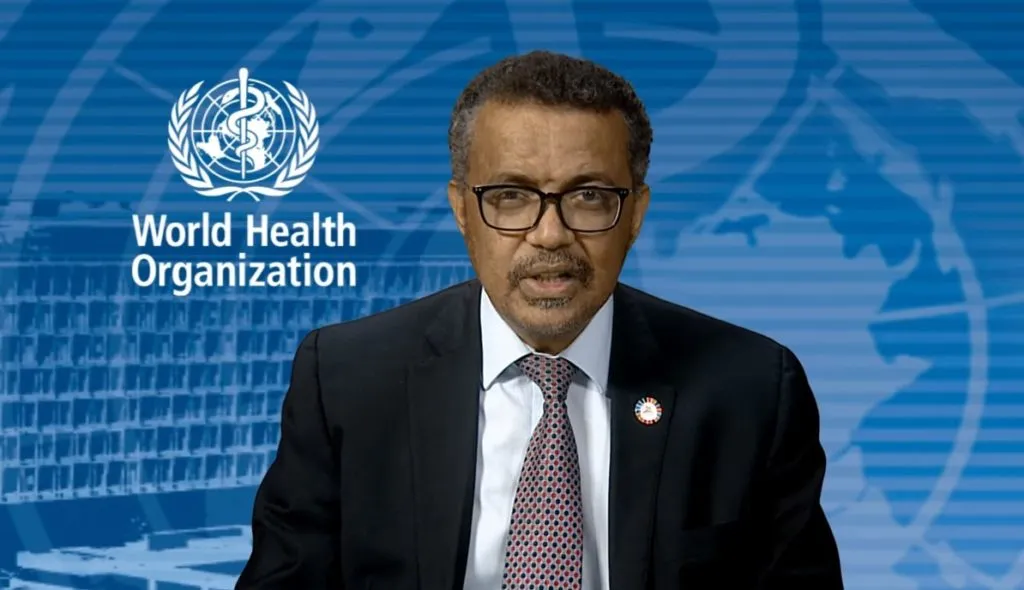
Director-General of WHO highlights significant global health milestones amid notable challenges and decries avoidable suffering in the past year.
In this review of 2023—the UN agency’s 75th anniversary—WHO Chief Tedros Adhanom Ghebreyesus outlines goals for the coming year and highlights accomplishments.
New vaccines
After three years of crisis, I declared the COVID-19 public health emergency to be over in May, which was a global first. A video message expressed relief and optimism that life has returned to normal.Dr. Tedros lists accomplishments like the end of the mpox outbreak and the approval of new meningitis, malaria, and dengue vaccines—important measures in protecting millions, especially the most vulnerable.
Azerbaijan, Tajikistan, and Belize achieve malaria-free status, and progress is made toward the global eradication of tropical diseases such as lymphatic filariasis, trachoma, and sleeping sickness. According to Dr. Tedros, the last stages of the polio eradication are drawing near, and 30 more countries have introduced the HPV vaccine, furthering efforts to eradicate cervical cancer.”
Climate impacts
2023 saw an increase in attention to the negative effects of the climate crisis on human health, most notably during the COP28 in Dubai, where a global declaration on climate and health highlighted the interrelated problems with the environment and public health. During the September UN General Assembly, heads of state pledged to advance universal health coverage, eradicate tuberculosis, and strengthen international defenses against pandemics in the future.
Dr. Tedros highlights how a number of achievements have shown science, collaboration, and solutions to be strong when taken as a whole, indicating their vital role in maintaining and enhancing global health.
Immense and avoidable suffering
According to Tedros, there have been “immense and avoidable suffering and threats to health” during the previous year.
Around 1,300 people were killed and 200 hostages were taken hostage during the October Hamas attacks on Israel; there were also reports of gender-based violence. According to Tedros, there were over 20,000 fatalities and 53,000 injuries from subsequent attacks in Gaza, most of which involved women and children.
No peace, no health
WHO chief expresses deep concern over the dire state of healthcare infrastructure in Gaza, with only a few functional facilities. Tedros highlights the international conflicts in Sudan, Ethiopia, Myanmar, and the Ukraine while emphasizing the necessity for an immediate ceasefire. He says, “Without peace, there is no health, and without health, there can be no peace.”Tedros draws attention to a number of complex issues that contribute to the spread of infectious diseases, such as poverty, conflict, and a lack of access to clean water. It is especially concerning that there have been over 40 outbreaks of cholera worldwide.
Looking ahead
The head of WHO emphasizes filling in the gaps in global pandemic preparedness ahead of 2024. The historic Pandemic Accord is currently being negotiated by governments, with a focus on equity and collaboration in pandemic response. In closing, Dr. Tedros expresses gratitude to partners, coworkers, and health professionals, highlighting the group’s collective journey toward realizing “Health for All.”