Study Finds TORCH Infections Continue to Threaten Maternal and Fetal Health
A recent study conducted by researchers at the All India Institute of Medical Sciences (AIIMS), New Delhi, has revealed that TORCH infections continue to pose significant health risks despite improvements in vaccination coverage. The findings were presented at ASM Microbe 2026 in Washington, D.C.
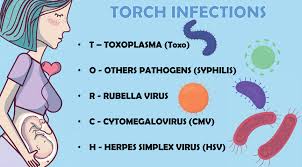
TORCH refers to a group of infections—including toxoplasmosis, rubella, cytomegalovirus (CMV), herpes simplex virus, and several others—that may cause few or no symptoms in pregnant women. However, these infections can have severe consequences for unborn babies, leading to miscarriage, stillbirth, congenital abnormalities, or lifelong disabilities.
To better understand the prevalence of these infections in North India, researchers reviewed laboratory records from 2019 to 2025 at a major tertiary-care teaching hospital. The team examined antibody profiles to determine levels of exposure, immunity, and susceptibility among patients tested for TORCH pathogens.
The analysis revealed varying trends among the different infections. Cytomegalovirus remained highly prevalent throughout the study period, indicating continuous circulation within the community. Researchers noted that CMV often receives less public attention despite being a major cause of congenital infections.
In contrast, immunity against rubella was found to be consistently high, reflecting the positive impact of vaccination programs. Nevertheless, some individuals remained vulnerable to rubella infection, highlighting the importance of maintaining strong immunization coverage.
The study also identified ongoing susceptibility to toxoplasmosis, an infection that can often be prevented through simple measures such as proper food hygiene, regular handwashing, and avoiding exposure to contaminated cat litter.
According to the researchers, the findings suggest that prevention strategies should be tailored to each pathogen rather than relying on a single approach for all TORCH infections. While vaccination remains the most effective defense against rubella, increasing public awareness about prenatal care, environmental exposure, and food safety may help reduce the burden of toxoplasmosis and other congenital infections.
The research team plans to conduct further studies focusing on age-related and pregnancy-specific risk factors, with special attention to improving early detection and awareness of CMV and related infections.
Although the study provides valuable insights, the authors caution that it was based on data from a single institution. Larger multicenter studies across different regions of India will be necessary to gain a more comprehensive understanding of changing patterns and regional differences in congenital infection risks.
The findings emphasize the continued need for surveillance, education, and targeted prevention efforts to protect mothers and newborns from TORCH-related complications.