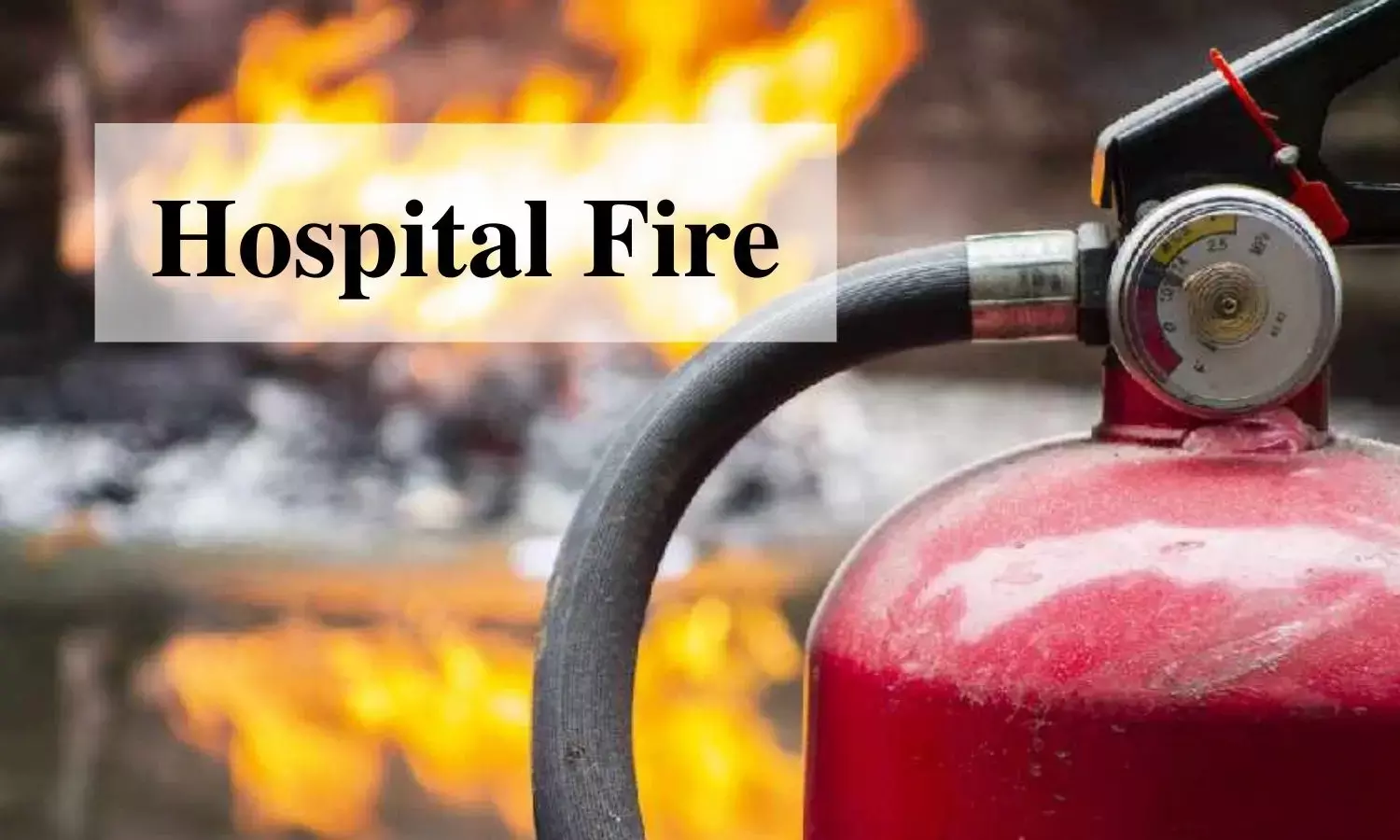
Joint Director of Health Services (Hospitals), Dr. Sunita Golhait, sent out a crucial instruction to district health officers, municipal corporation health officers, civil surgeons, and deputy directors across the state on Monday. For both public and private hospitals operating within their respective jurisdictions, this directive requires strict adherence to fire and electrical maintenance regulations. This action is meant to reduce the dangers related to electrical failures and insufficient fire safety precautions and is a reaction to growing concerns about safety standards in healthcare systems.
The directive places a strong emphasis on the requirement that all hospitals—private and government run—have thorough inspections to make sure they adhere to the essential safety criteria. It is the responsibility of health officers to resolve any disparities about electrical load capacity and to verify that hospitals have legitimate fire No Objection Certificates (NOCs) issued by their individual fire departments. Officials are also directed to put important safety precautions in place to avert possible risks and to provide thorough reports on their findings to the health department.
For example, 899 private hospitals and nursing homes in Pune are governed by the Pune Municipal Corporation (PMC) in accordance with the Maharashtra Nursing Home Registration Act, 1949. In a similar vein, the Pimpri Chinchwad Municipal Corporation (PCMC) oversees 1,456 clinics in addition to 617 private hospitals. Fire safety compliance is frequently disregarded despite the thorough registration, especially in smaller clinics and medium-sized hospitals. Officials are quite concerned about the possible risks associated with insufficient fire safety measures as a result of this carelessness.
The letter from Dr. Golhait emphasizes how important it is to perform thorough on-site inspections and fire safety audits in every institution. These inspections are essential for determining the current level of fire safety compliance and guaranteeing the presence, full functionality, and correct maintenance of fire-fighting systems such fire lifts, hydrants, smoke detectors, alarms, and extinguishers. The objective is to build a strong safety system that can react to crises quickly and stop tragedies brought on by fire-related occurrences.
Given that electrical problems cause the majority of hospital fires, fire safety audits are extremely important. Short circuits, overloading, overheating, using inferior electrical equipment, incorrect wiring, inadequate earthing, and increased electrical pressure from using air conditioners and other high-power devices frequently are among the common reasons. To protect patients and employees, it is essential to make sure that the hospital’s electrical systems are up to code and able to withstand operational demands.
In addition, the directive emphasizes the significance of electrical load audits and electrical system calibrations in critical hospital departments, including surgery wards, intensive care units (ICUs), Special Newborn Care Units (SNCUs), and dialysis units. Electrical equipment is largely relied upon in these departments, therefore any malfunction or overload could have grave repercussions. Hospitals are advised to make sure that electrical loads are distributed properly and to refrain from attaching numerous high-power devices to a single circuit in order to reduce the risk of this kind.
Hospitals also keep a lot of combustible items in storage, such as gas cylinders, different chemicals, and surgical tools that dissipate heat. If appropriate safety measures are not implemented, the existence of these materials heightens the risk of fires. Dr. Golhait’s order stipulates strict guidelines for controlling these hazards, such as routine inspections and maintenance of storage areas to ensure they meet safety standards.
SOURCE:
MEDICAL DIALOGUES