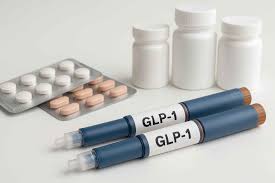
GLP-1 Medicines May Lower Cardiovascular and Clotting Risks in High-Risk Patients
A recent study published in the Journal of the American Heart Association suggests that glucagon-like peptide-1 receptor agonists (GLP-1RAs) may help reduce the risk of blood clots, stroke, and death in adults living with obesity and autoimmune diseases.
Obesity is a major global health concern and is linked to a higher likelihood of cardiovascular and thromboembolic complications. These risks can be even greater in individuals with autoimmune diseases, which affect millions of people and are associated with chronic inflammation. While GLP-1RAs are widely used for weight management and blood sugar control, their benefits in patients with autoimmune disorders have remained unclear.
To investigate this, researchers analyzed electronic health records from the OneFlorida+ network, covering the period from 2014 to 2024. The study compared more than 13,000 GLP-1RA users with an equal number of non-users after matching participants based on health characteristics and risk factors.
The findings revealed that patients receiving GLP-1RA therapy experienced lower rates of pulmonary embolism, venous thromboembolism, stroke, transient ischemic attack, emergency department visits, and all-cause mortality compared with non-users. Notably, GLP-1RA users had a 31% lower risk of pulmonary embolism, a 17% lower risk of venous thromboembolism, a 21% reduction in emergency department visits, and a 44% lower risk of death.
The protective effects were particularly evident among patients with type 2 diabetes. However, some benefits were less pronounced in individuals without diabetes. Researchers caution that the observational nature of the study means the results do not prove a direct cause-and-effect relationship. Further research is needed to confirm these findings and better understand the mechanisms involved.