The story of Vishnu is a powerful reminder of the difficulties and repercussions associated with medical malpractice in the healthcare industry. It draws attention to the difficulties that patients and their families encounter, the complexities of the legal system, and the never-ending pursuit of justice and accountability. Prioritizing patient safety, ethical behavior, and ongoing system improvement is crucial as we negotiate the complexities of contemporary healthcare in order to stop medical errors and guarantee that everyone receives the best care possible.
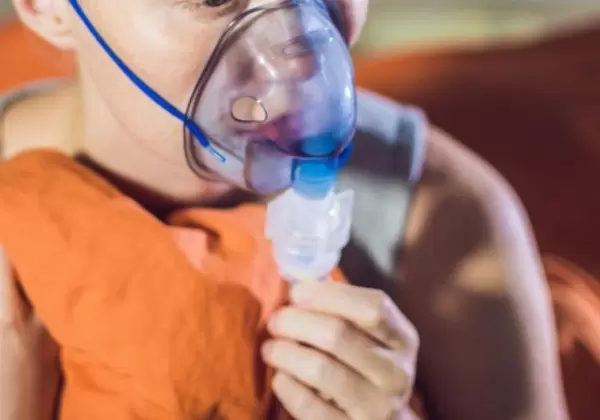
Kaushik Singh’s journey started when he went to the doctor after having lung problems. After seeing a physician, he was given a diagnosis of asthma and given medications. But Kaushik was hesitant to adhere to the recommended course of action after reading online about the possible negative consequences of steroids. This case illustrates the difficulties caused by contradictory or insufficient information found on the internet, even as it respects a patient’s right to information access.
Experts discussed the nuances of IDIOT syndrome and its implications for asthma therapy during a World Asthma Day session hosted by King George’s Medical University (KGMU). Renowned respiratory medicine expert Prof. Rajendra Prasad brought attention to the predicament faced by patients who, swayed by internet information, may refuse necessary medications like steroids even if they work well when administered under appropriate medical care.
The use of steroids in the treatment of asthma was one of the main topics of conversation. The chief of KGMU’s respiratory critical care unit, Prof. Ved Prakash, stressed the importance of steroids in managing asthma symptoms and averting complications—that is, when they are prescribed and closely managed by medical personnel. He addressed the widespread apprehension about steroids and promoted well-informed decision-making that is informed by medical knowledge.
The incident also highlighted the incidence of asthma-related deaths in India, where an estimated 1.9 lakh deaths a year are ascribed to asthma-related problems. Prof. Sumit Rungta, a specialist in dermatology and medical gastroenterology, emphasized that although asthma cannot be cured, it may be effectively controlled with the right medical care. The topic of food and skin sensitivities was also discussed, highlighting the complex nature of managing asthma.
The situation involving Kaushik Singh is a moving illustration of the difficulties presented by internet health information. Even if there is a lot of information available on the internet, it is still important to distinguish between false and true information. Prof. Rajendra Prasad emphasized the value of seeing medical specialists and advised against self-diagnosing or treating oneself based only on online research.
Understanding and raising awareness are essential in the fight against IDIOT syndrome and related issues. Professor Ved Prakash stressed the importance of public awareness initiatives, stressing the role that proper diagnosis and medication adherence have in effectively managing asthma. In agreement, Prof. Sumit Rungta emphasized the importance of making well-informed decisions when navigating healthcare options.
In order to improve asthma management outcomes, a call for cooperation between patients and healthcare providers was made at the end of the event. Doctors should have open lines of communication with patients, addressing their concerns and dispelling any misunderstandings, according to Prof. Rajendra Prasad. Patients were urged to actively engage in their healthcare process at the same time, obtaining advice from trustworthy sources and having faith in medical professionals.
The conversation about managing asthma and IDIOT syndrome highlights the importance of providing healthcare information in a balanced manner. Even while the internet gives people access to a wealth of information, it is still our common responsibility to ensure accuracy, dependability, and relevance in a given context. Enhancing cooperation between physicians and patients, raising awareness, and encouraging well-informed decision-making can help us manage the challenges of contemporary healthcare and work toward better outcomes for conditions like asthma and beyond.
SOURCE:
MEDICAL DIALOGUES